
ASPIRE: Advancing Science Programming in Rural Education
“Education is the most powerful weapon which you can use to change the world.”
Nelson Mandela
70% of 10-year-olds in low-and middle-income countries struggle with basic literacy.
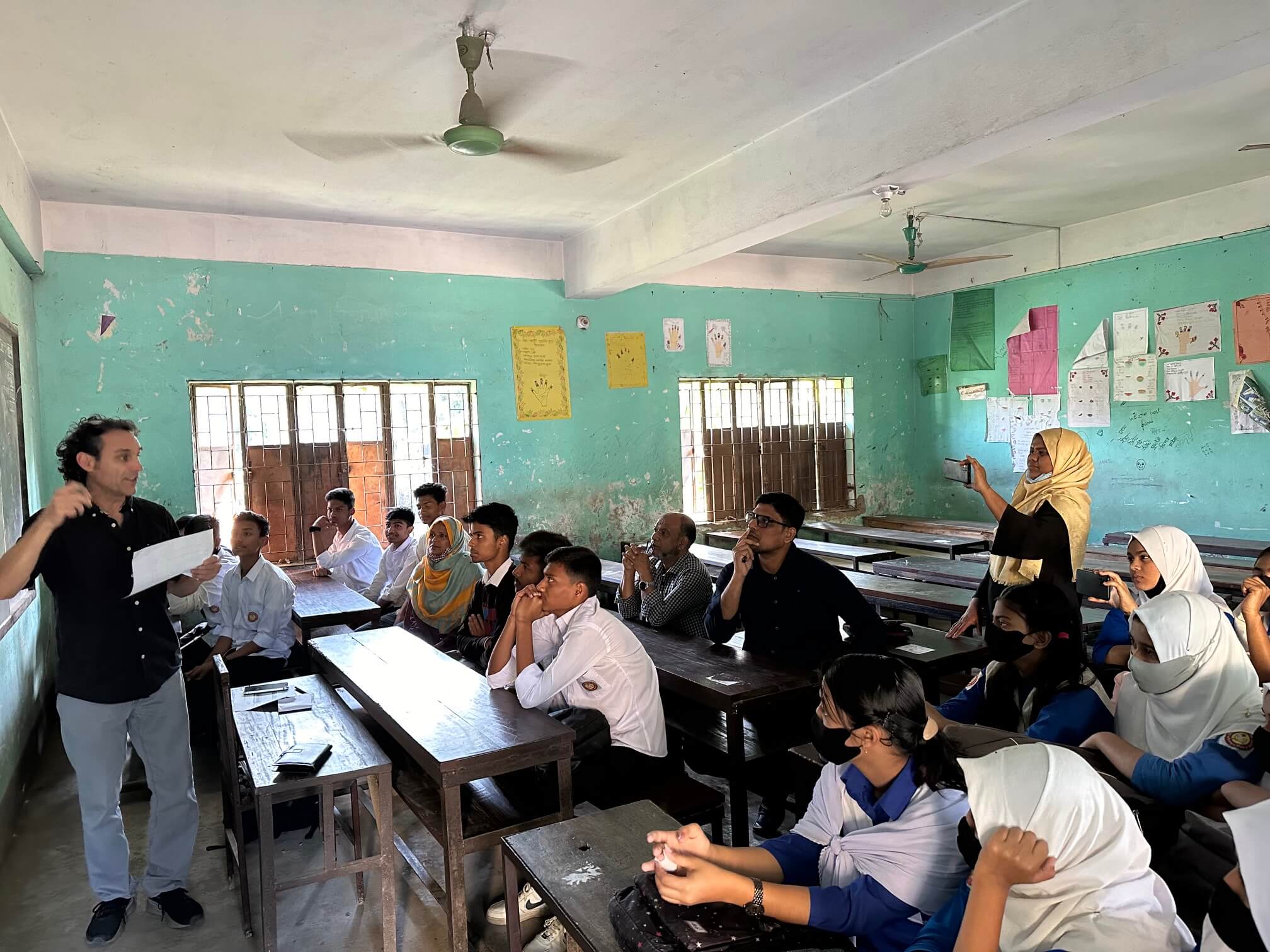
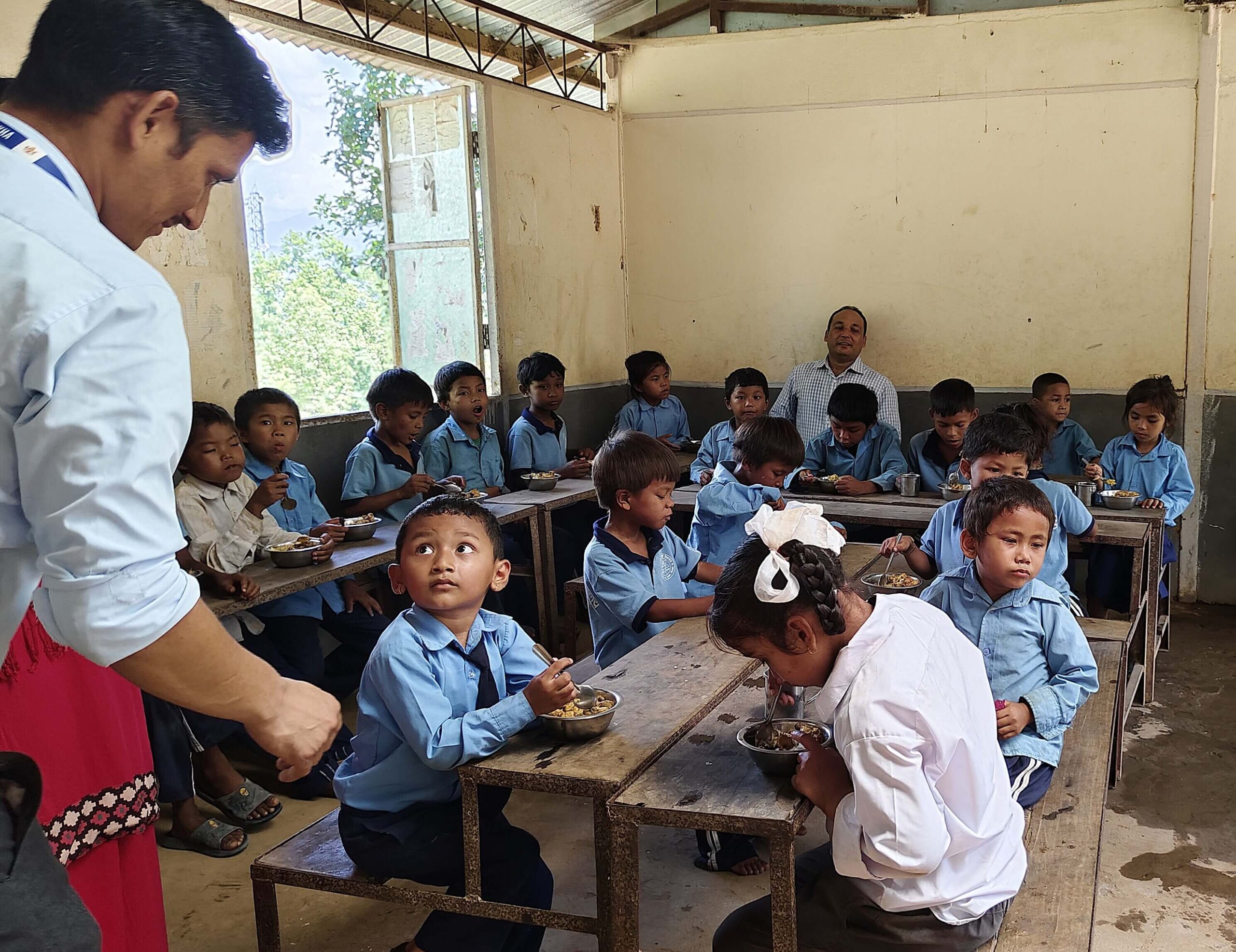
Access to quality education is a fundamental human right and is especially challenging in rural communities. Globally, 250 million children and youth remain out of school, and 70% of 10-year-olds in low-and middle-income countries struggle with basic literacy. Chemists Without Borders is committed to using science to improve the quality of life through service, education, innovation, and community empowerment. Our all-volunteer team of scientists, experts, teachers, and students is dedicated to being a force for good.
ASPIRE, a signature initiative at Chemists Without Borders, is a holistically based approach to supporting the development of rural communities and improving the quality of life through science education, as well as increasing opportunities for better and more immediate income generation and economic mobility to reinforce sustainability. Our systemic approach is in four distinct but connected components:
As humanitarian challenges continue to evolve globally, the collaboration between science and humanitarian efforts is crucial. Chemists Without Borders plays a vital role in addressing these issues and helping rural communities create sustainable solutions that empower their development.

Science in the Curriculum
Enable basic scientific thinking, foster experimentation, use demonstrations, and focus on problem- and place-based learning to make science relevant to everyday life.
Teacher Training and Advancement
Teachers are strained without adequate funding, facilities, training, and support. Through robust university connections, corporate donations, science education training, and advancement opportunities, we seek to improve the quality of instruction significantly.
Adult Education and Community Engagement
Enable learning opportunities for adults to better connect with their kids in school by making science education accessible, fun, and applicable to improving their quality of life.
Economic Development
Support and implement applicable educational learning opportunities to generate and earn income as quickly as possible.