
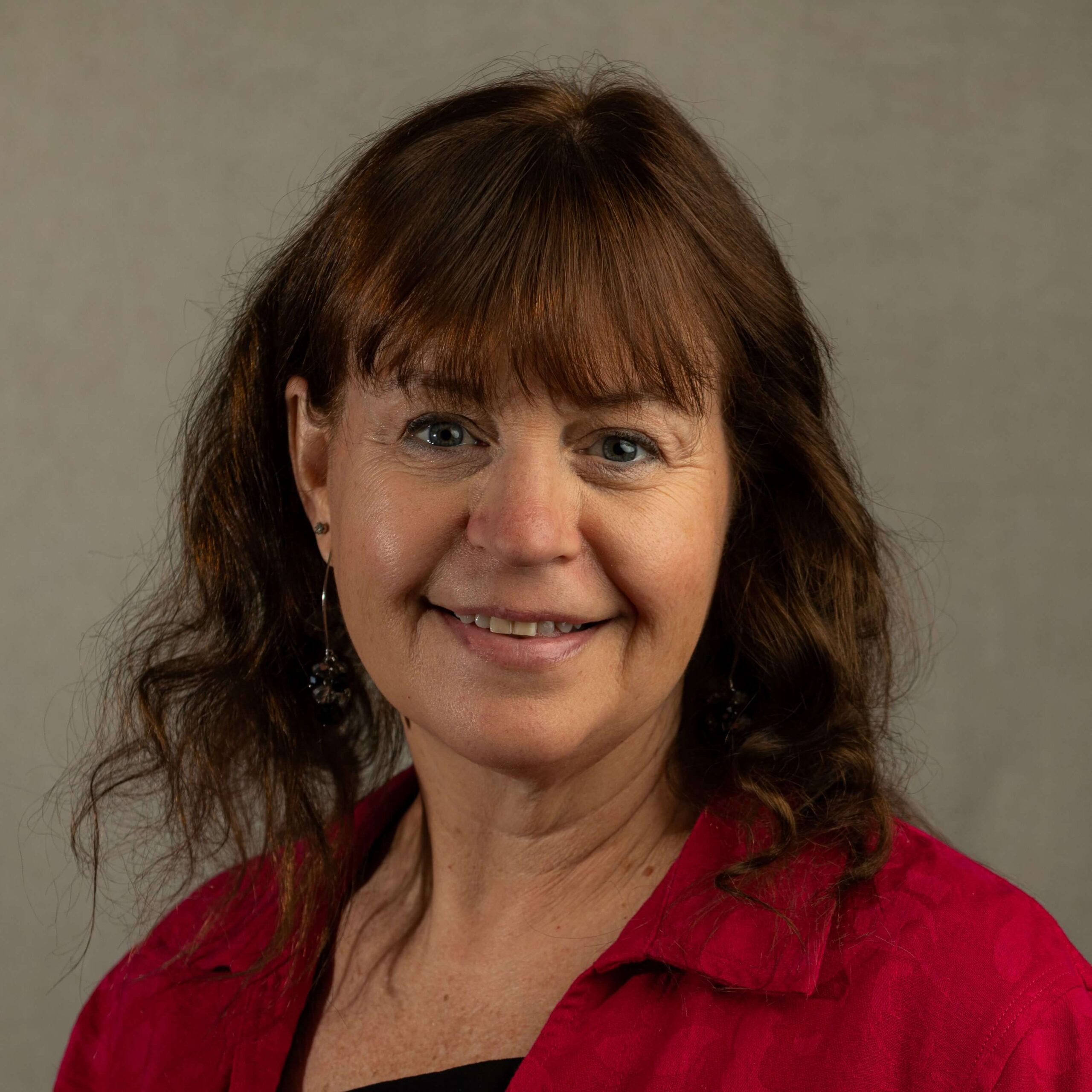
Ronda Grosse
Director

Ronda Grosse has been a Director on the Board of Chemists Without Borders since 2015. She is passionate about improving the quality of lives by combining science and service, and exploring sustainable ways we can collectively create positive change in our global community. She has led multiple technical and humanitarian projects and is an active member of the American Chemical Society (ACS). She serves as a mentor and enjoys encouraging others in their career and personal pursuits. She is an advocate for science education and conducts chemistry demonstrations in local schools as well as other outreach activities in the US and abroad.

Ronda retired from the Dow Chemical Company after a 30-year career as a chemist and science & technology leader in various R&D divisions. Her primary expertise is in molecular spectroscopy, chromatography, and mass spectrometry for materials characterization. She is the recipient of four technical achievement awards for novel methods and materials development, and received the ACS Outstanding Achievement and Promotion of the Chemical Sciences Award. Her international experience includes scientific research in Japan, affordable housing projects in India, and humanitarian work in Zimbabwe, the Philippines, Dominican Republic, Thailand, Jordan, Turkey, and Nepal. Ronda has worked as the Global Missions Director at Hopevale Church since 2021.

Ronda holds a B.S. in chemistry from Bethel University in St. Paul, Minnesota, and a Ph.D. in analytical chemistry from the Ohio State University in Columbus. She enjoys hiking, reading, yoga, and traveling with friends and family. Originally from New Castle, Pennsylvania, she resides in Saginaw, Michigan, with her husband and two daughters.
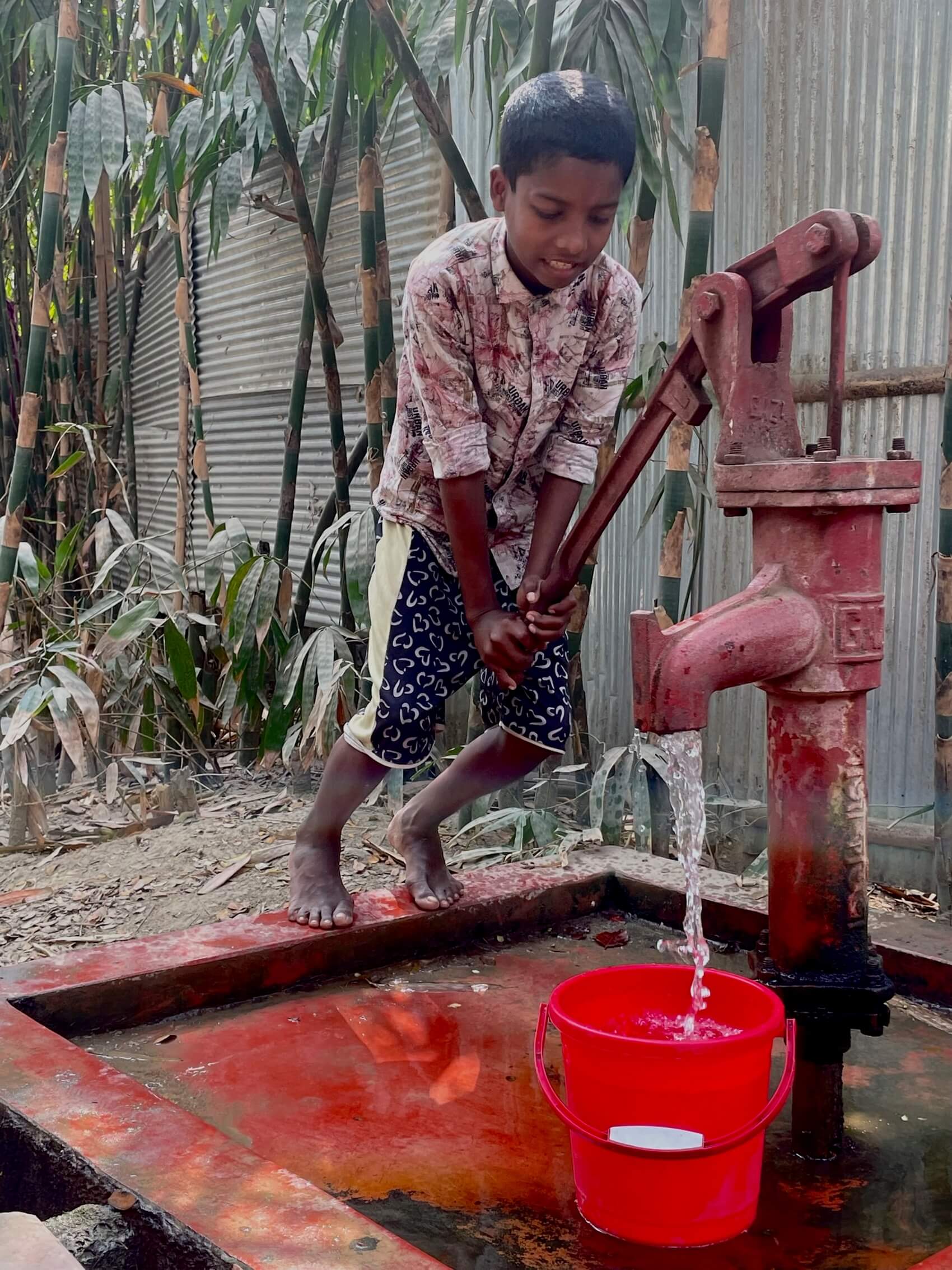
Bangladesh has one of the highest arsenic levels in groundwater in the world.

From its founding in 2005, Chemists Without Borders had a vision: to find a solution to the 40,000 Bangladeshis dying each year from illnesses caused by arsenic poisoning. In 2014, we started our project in Bangladesh and hired five interns to give presentations at high schools explaining the hazards of arsenic in drinking water. Later, we found funding to construct ring wells at two high schools whose wells were heavily contaminated with arsenic.

Currently, we are building a new drinking water and sanitation system at Terial High School in the Chittagong district of Bangladesh. A new well is being constructed to obtain water from the ground, which will be treated with an arsenic removal system to purify the water. Twenty drinking water and hand-washing stations are built to provide safe water to the students. The water will be sanitized with a UV disinfection system before it is supplied to the students for drinking and handwashing. This new arsenic remediation system was designed keeping in mind to solve the arsenic problem in the schools nationwide in Bangladesh.

Well-Water Testing Project

Bangladesh has one of the highest arsenic levels in groundwater in the world. The majority of Bangladeshi citizens use private wells to meet their water needs. Most wells are shallow, less than 300 feet in depth.

Chemists Without Borders recruits university and high school students to test the wells and educate the residents about arsenic and the possibility of sharing water from safe wells with families who take drinking water from contaminated wells.


Water-Sharing Project

Water-sharing is a unique program innovated by the Chemists Without Borders. This project is not just about water. It is about empowering young people to solve a health problem that has persisted for years. This program allows neighbors to share water from certified arsenic-free wells. Chemists Without Borders runs this program with the help of high school and college students. Students are trained in testing the well water using a field test kit. The results are shared with the well owners, and the owners are educated about the health risks of high arsenic in the water. Owners of the well with no arsenic or less than 50 ppb arsenic levels are encouraged to enroll in the water sharing program, where they can share the arsenic-safe well water with their neighbors at a nominal cost.

Community participation is at the core of this program. By involving the whole community, the water-sharing program allows for minimizing the risk of arsenic exposure to the population at the lowest cost. We intend to expand this program throughout Bangladesh and other countries where arsenic in water is a problem. The beauty of this model is that it is simple, yet effective; ambitious, yet realistic; extensive, yet cost-effective.