
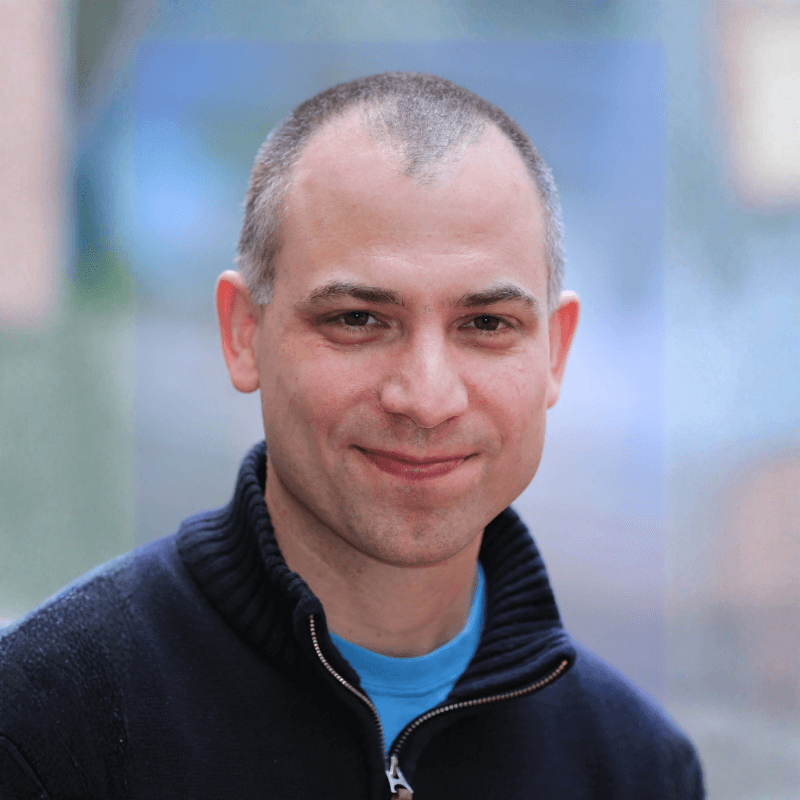
Ralph House
Senior Advisor, ASPIRE

Ralph House is a seasoned leader with over a decade of experience in fostering and managing complex, multi-faceted collaborations both within and between universities. His expertise extends to partnering with diverse external entities, including industry, national laboratories, and non-profit research organizations. Ralph’s effectiveness as a connector and catalyst is evidenced by his direct involvement in securing over $50 million in funding over the past three years. This success stems from his ability to develop and drive mid-to-large-scale (ranging from $1 million to $20 million) multi-investigator, cross-disciplinary proposals submitted to various U.S. funding agencies.

With a robust academic foundation spanning Biochemistry (BS), Molecular Biology/Genomics (MS), and Physical Chemistry (PhD), Ralph possesses a rare and genuine fluency across multiple STEM disciplines. This broad scientific perspective enables him to effectively break down disciplinary silos, significantly improving the student experience and expanding the research enterprise. He is deeply committed to diversity in STEM and applies a team-oriented mindset to problem-solving. Beyond funding, Ralph has demonstrated strategic operational excellence, notably by transforming university core labs: in one instance, he drove a lab from a ($100,000+) debt to generating over $150,000+ in net revenue within just three years. Furthermore, his knack for strategic event planning and fundraising is clear, as shown by his success in raising over $300,000 in donor funding from a single multi-day event for the Department of Chemistry at The University of North Carolina at Chapel Hill.

Ralph maintains an expansive scientific network with direct ties to both academic leadership and chemical industry executives. His worldview is enriched by his formative years spent overseas in India and Zimbabwe, and he maintains family connections across the globe. He is now channeling his passion for chemistry, culture, and diversity to address global challenges through his service as Vice President for Research and Development at Chemists Without Borders. Ralph looks forward to combining his unique blend of leadership, scientific insight, and global perspective to better the human condition.
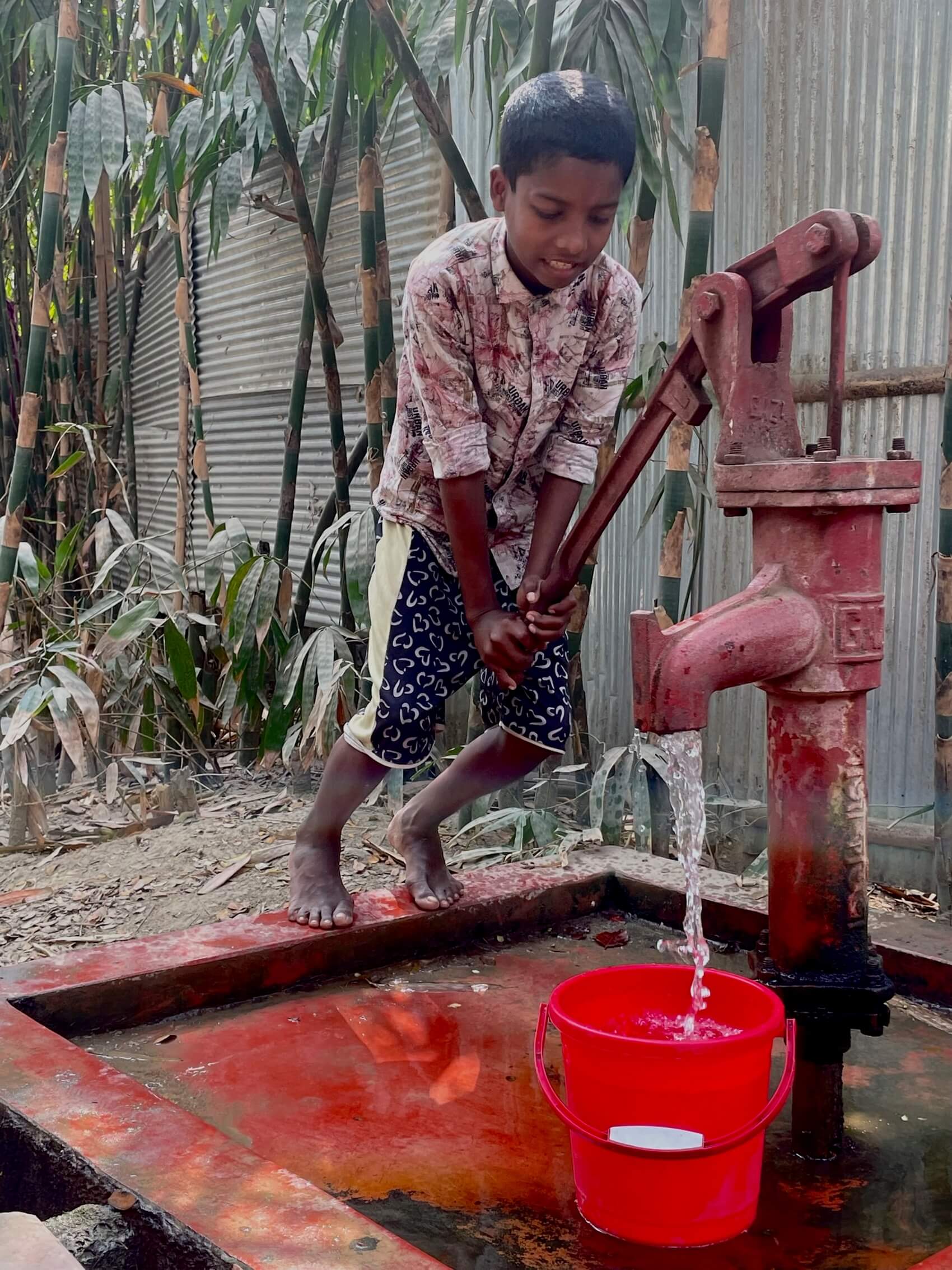
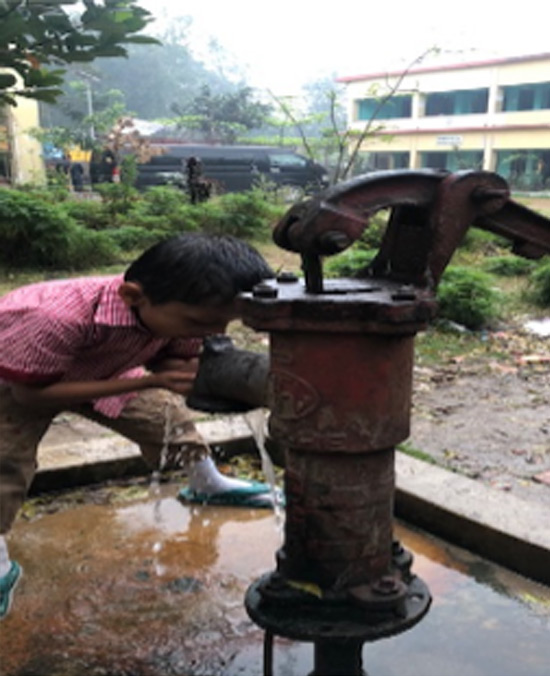
Bangladesh has one of the highest arsenic levels in groundwater in the world.

From its founding in 2005, Chemists Without Borders had a vision: to find a solution to the 40,000 Bangladeshis dying each year from illnesses caused by arsenic poisoning. In 2014, we started our project in Bangladesh and hired five interns to give presentations at high schools explaining the hazards of arsenic in drinking water. Later, we found funding to construct ring wells at two high schools whose wells were heavily contaminated with arsenic.

Currently, we are building a new drinking water and sanitation system at Terial High School in the Chittagong district of Bangladesh. A new well is being constructed to obtain water from the ground, which will be treated with an arsenic removal system to purify the water. Twenty drinking water and hand-washing stations are built to provide safe water to the students. The water will be sanitized with a UV disinfection system before it is supplied to the students for drinking and handwashing. This new arsenic remediation system was designed keeping in mind to solve the arsenic problem in the schools nationwide in Bangladesh.

Well-Water Testing Project

Bangladesh has one of the highest arsenic levels in groundwater in the world. The majority of Bangladeshi citizens use private wells to meet their water needs. Most wells are shallow, less than 300 feet in depth.

Chemists Without Borders recruits university and high school students to test the wells and educate the residents about arsenic and the possibility of sharing water from safe wells with families who take drinking water from contaminated wells.


Water-Sharing Project

Water-sharing is a unique program innovated by the Chemists Without Borders. This project is not just about water. It is about empowering young people to solve a health problem that has persisted for years. This program allows neighbors to share water from certified arsenic-free wells. Chemists Without Borders runs this program with the help of high school and college students. Students are trained in testing the well water using a field test kit. The results are shared with the well owners, and the owners are educated about the health risks of high arsenic in the water. Owners of the well with no arsenic or less than 50 ppb arsenic levels are encouraged to enroll in the water sharing program, where they can share the arsenic-safe well water with their neighbors at a nominal cost.

Community participation is at the core of this program. By involving the whole community, the water-sharing program allows for minimizing the risk of arsenic exposure to the population at the lowest cost. We intend to expand this program throughout Bangladesh and other countries where arsenic in water is a problem. The beauty of this model is that it is simple, yet effective; ambitious, yet realistic; extensive, yet cost-effective.