
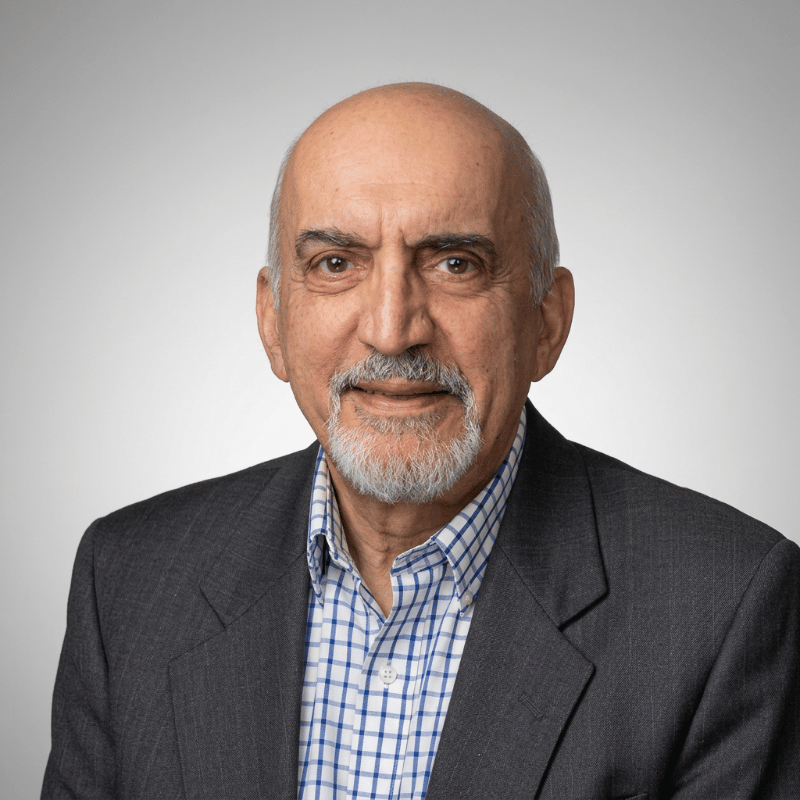
Mohamud first studied Biochemistry before pursuing his teenage wish to become a family physician. After graduating from the University of Dundee, Scotland, and training in Oxford, he gained postgraduate experience across a range of specialties, including Internal Medicine, Hematology Oncology, Geriatrics, General Surgery, Emergency Medicine, ENT, Obstetrics and Gynecology, Rheumatology, Blood Transfusion, Psychiatry, Preventive Medicine, and Rehabilitation at a National Centre in the United Kingdom. He opted to double the standard time of general practice training from one to two years. After working in the UK National Health Service for sixteen years, he migrated to Calgary, Alberta, Canada, earned board certification as a Family Physician, and expanded his academic life at the University of Calgary, where he was appointed to a faculty leadership position. Weill Cornell Medicine-Qatar (WCM-Q, Cornell University’s international campus) offered him another challenging opportunity to establish their primary care course, where he served as the inaugural clerkship director and later as an assistant dean of medical students’ affairs. Regularly publishing, he was nominated as a senior research fellow in Psychiatry at Clare College, Cambridge. He completed his MBA in Leadership and Sustainability at the Robert Kennedy College, Zurich, and graduated from the University of Cumbria after attending the Harvard Macy Institute in Boston, and is an alumnus of the HMI. A lifelong learner, Mohamud’s interest in global health motivated him to study for a Diploma of Infectious Diseases at the Royal College of Physicians, Dublin, Ireland, in 2024, where he distinguished himself by achieving some of the highest scores of his class in the consulting elements. His publication on Schistosomiasis (2017) has been viewed over 34,000 times with almost 200 citations. With experience across health systems in three continents, he developed a deeper understanding of care, management, human behaviour, and global health resources and philanthropy. The recipient of multiple teaching awards at the University of Calgary and Weill Cornell Medicine, he has followed the theme of “Disruptive innovation,” motivated by the teachings of Clay Christensen, DBA, at the Harvard Business School. As an international mentor, Mohamud expresses his life sentiments through narrative medicine and poetry. Having delivered a TEDxYouth talk, he is passionate about young medical students embarking on medical careers with an ethic of humanitarianism, empathy, interpersonal and communication skills, integrity, honesty, and professional respect, as well as an understanding of pluralism and diversity, and of the tradition of respect within professionalism in a civil society. Married with two grown-up sons, Mohamud listens to classical music, practices playing an instrument or two, keeps fit with 5000 steps daily, views artificial intelligence with excitement, and will never give up his Macintosh. His motto is “Never take no for a final answer.”
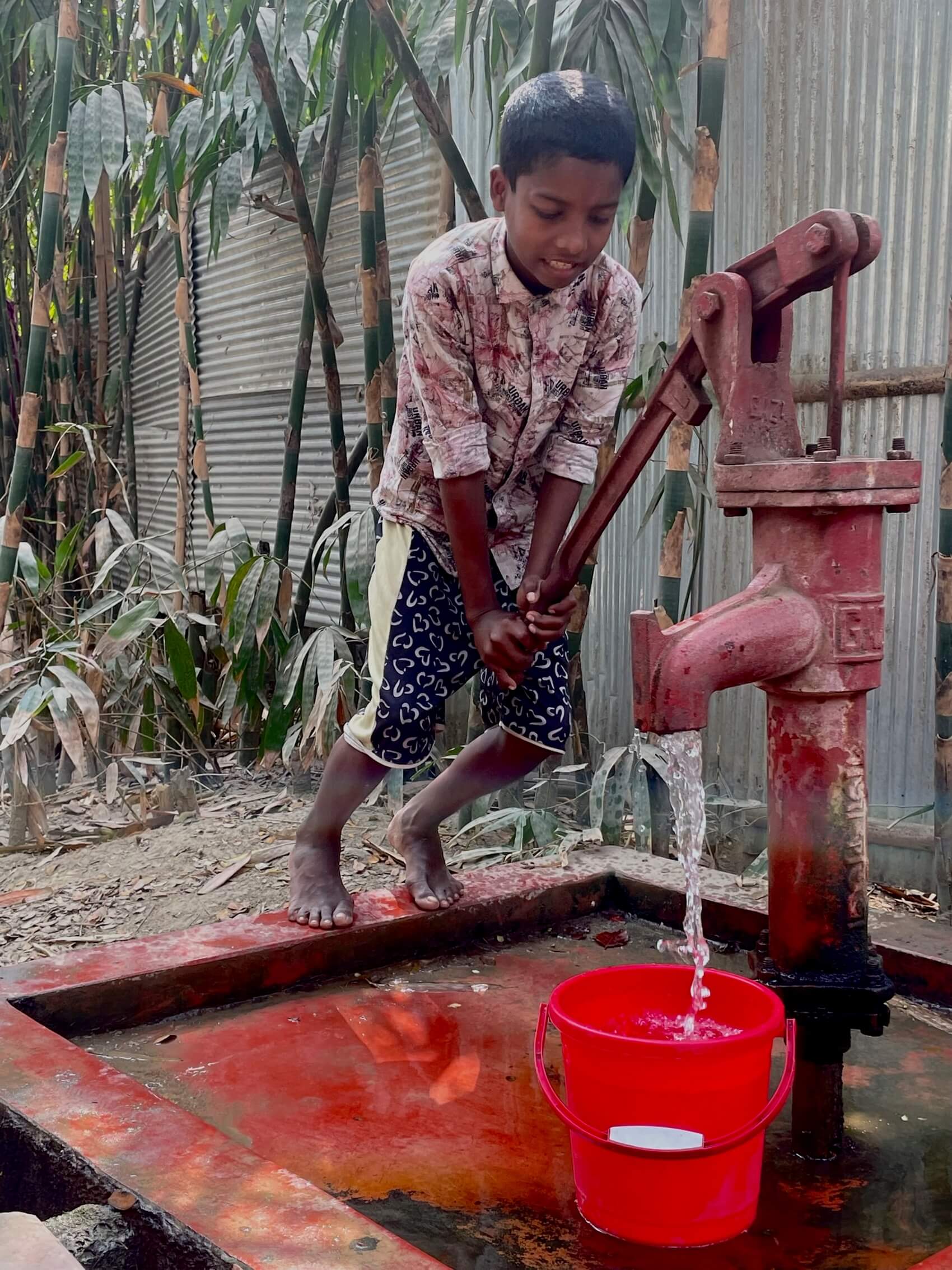
Well-Water Testing Project
Bangladesh has one of the highest arsenic levels in groundwater in the world. The majority of Bangladeshi citizens use private wells to meet their water needs. Most wells are shallow, less than 300 feet in depth.
Chemists Without Borders recruits university and high school students to test the wells and educate the residents about arsenic and the possibility of sharing water from safe wells with families who take drinking water from contaminated wells.