
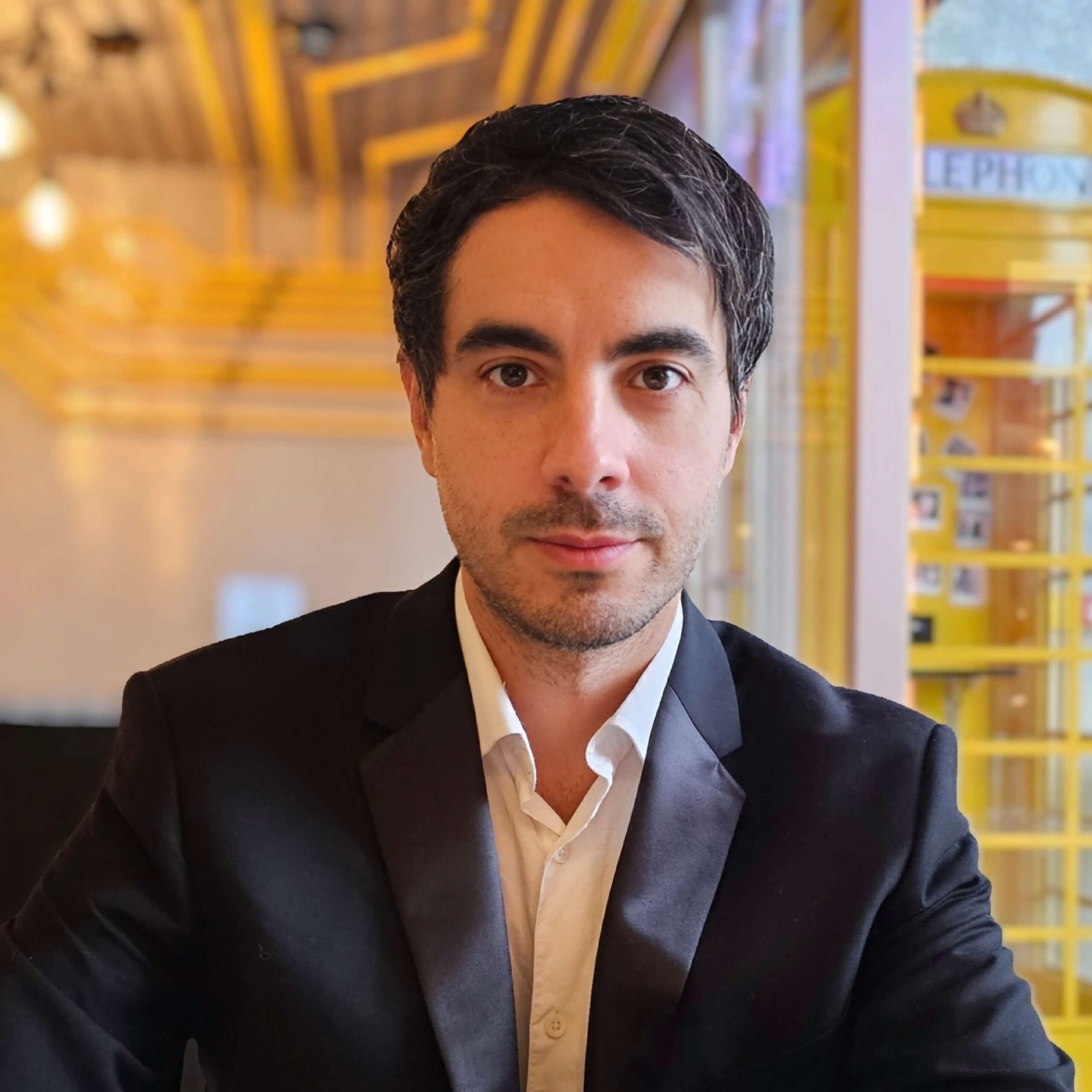
Exequiel Porta
Volunteer
Dr. Exequiel Porta (Exe) is a medicinal and biological chemist working at the interface of chemical biology, drug discovery and infectious diseases. He is currently a Research Fellow in Chemistry at University College London (UCL), where his research focuses on chemoproteomic and modern medicinal chemistry approaches to identify new therapeutic opportunities, particularly for neglected tropical diseases. Exe’s connection with Chemists Without Borders reflects his belief that science should be in service to humanity. Born in Venado Tuerto, Argentina, and now based in the United Kingdom, he has built his career around connecting people, institutions and ideas across borders, with a strong commitment to improving the quality of life of communities most in need through science, education and collaboration. He holds an MSc in Biotechnology and a PhD in Chemical Sciences from the National University of Rosario, Argentina. He has published widely in medicinal chemistry, chemical biology and parasitology, and has received several national and international recognitions, including the global TropicalMed 2024 Young Investigator Award, the Outstanding Citizen distinction, and the Ten Outstanding Young People recognition. He is a member of the Royal Society of Chemistry (RSC) and the Global Network for Neglected Tropical Diseases. Beyond his research, Exe is passionate about mentoring, international collaboration and building bridges between science, education and society. A guiding principle in his work is that science reaches its highest purpose when it improves people’s lives.
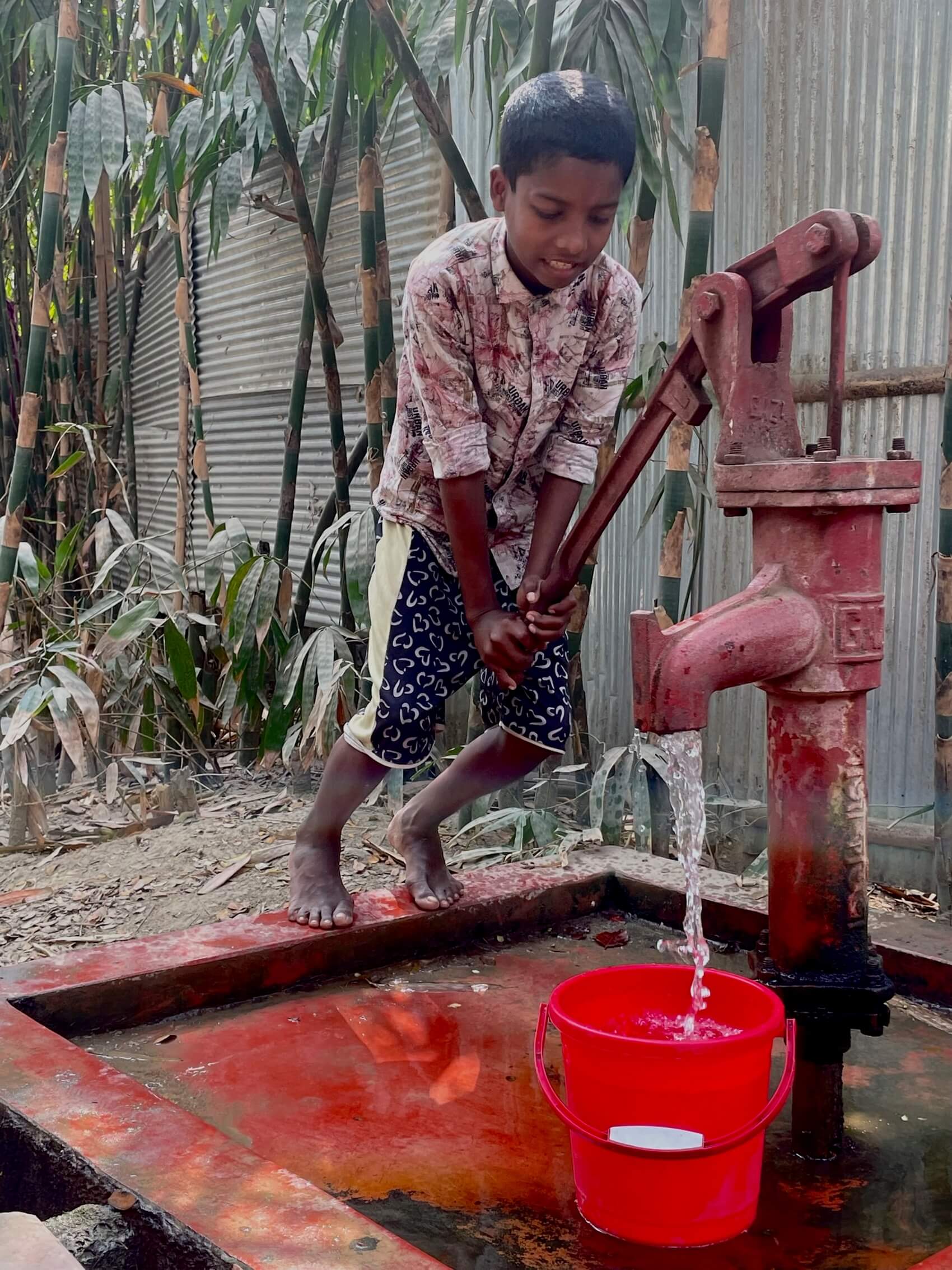
Bangladesh has one of the highest arsenic levels in groundwater in the world.

From its founding in 2005, Chemists Without Borders had a vision: to find a solution to the 40,000 Bangladeshis dying each year from illnesses caused by arsenic poisoning. In 2014, we started our project in Bangladesh and hired five interns to give presentations at high schools explaining the hazards of arsenic in drinking water. Later, we found funding to construct ring wells at two high schools whose wells were heavily contaminated with arsenic.

Currently, we are building a new drinking water and sanitation system at Terial High School in the Chittagong district of Bangladesh. A new well is being constructed to obtain water from the ground, which will be treated with an arsenic removal system to purify the water. Twenty drinking water and hand-washing stations are built to provide safe water to the students. The water will be sanitized with a UV disinfection system before it is supplied to the students for drinking and handwashing. This new arsenic remediation system was designed keeping in mind to solve the arsenic problem in the schools nationwide in Bangladesh.

Well-Water Testing Project

Bangladesh has one of the highest arsenic levels in groundwater in the world. The majority of Bangladeshi citizens use private wells to meet their water needs. Most wells are shallow, less than 300 feet in depth.

Chemists Without Borders recruits university and high school students to test the wells and educate the residents about arsenic and the possibility of sharing water from safe wells with families who take drinking water from contaminated wells.


Water-Sharing Project

Water-sharing is a unique program innovated by the Chemists Without Borders. This project is not just about water. It is about empowering young people to solve a health problem that has persisted for years. This program allows neighbors to share water from certified arsenic-free wells. Chemists Without Borders runs this program with the help of high school and college students. Students are trained in testing the well water using a field test kit. The results are shared with the well owners, and the owners are educated about the health risks of high arsenic in the water. Owners of the well with no arsenic or less than 50 ppb arsenic levels are encouraged to enroll in the water sharing program, where they can share the arsenic-safe well water with their neighbors at a nominal cost.

Community participation is at the core of this program. By involving the whole community, the water-sharing program allows for minimizing the risk of arsenic exposure to the population at the lowest cost. We intend to expand this program throughout Bangladesh and other countries where arsenic in water is a problem. The beauty of this model is that it is simple, yet effective; ambitious, yet realistic; extensive, yet cost-effective.