
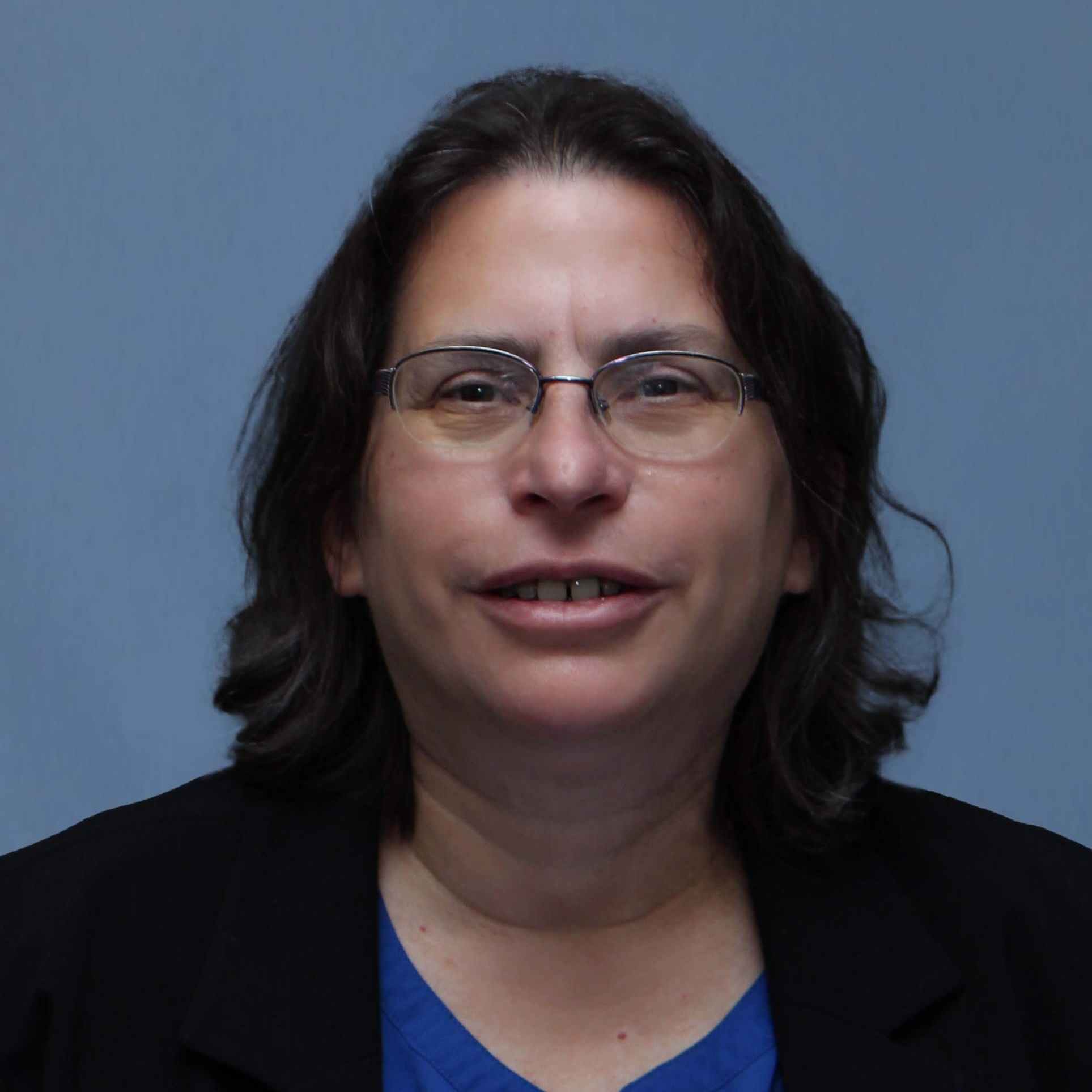
Ann Miller
Senior Advisor, Projects

Ann Miller is currently the Executive Director at Science is Elemental, a science education 501C3 nonprofit. She is also the principal at A. Miller Analysis and Consulting LLC, Chief Program Officer at Chemists Without Borders, and a board member at the Montgomery County Coalition for Adult Literacy (MCAEL).

Ann worked as a Senior Research Scientist at CNA, a not-for-profit research and analysis organization, from 1993 to 2021. Her work focused on analysis of training, education, readiness, logistics, and technology, and has led numerous projects for the Navy and Marine Corps. Through CNA, she also provided technical support and analysis to the West Virginia Department of Education from 2007-2009.

Science is Elemental supports science education through Teachers Asking Scientists Questions (TASQ), children’s books that highlight what scientists do, and by delivering and training others to deliver integrated science workshops.

In her work with Science is Elemental, Ann has interacted, either through consultation, teaching, or both, with several educational institutions. These include: The Springwell School in Silver Spring, MD, ArtPlayLearn, in Laurel, Maryland, Baltimore City Public Schools, Because Science in Washington, D.C., the Holland Brook Elementary School in Readington, NJ, and the SoLa Impact Beehive in Los Angeles, California. She has developed integrated science/sports/art/music lessons and provided those lessons in school settings.

In addition to her board work and founding Science is Elemental, Ann’s experience with non-profit charitable organizations includes six Compass Pro Bono projects (2020-present), three Taproot projects (2020-2022), and providing analytic support to the Comhaltas Ceoltoiri Eireann (CCE) Music and Dance Week (2015-2021). She uses her analytic capabilities to support decision-making, staffing considerations, survey development, data collection, and analysis.

For over twenty years, Ann has been involved as a tutor, mentor, and coordinator of tutoring/mentoring activities for elementary school students.

Ann received her Ph.D. in chemistry from the California Institute of Technology and her B.A. in chemistry from the University of Pennsylvania
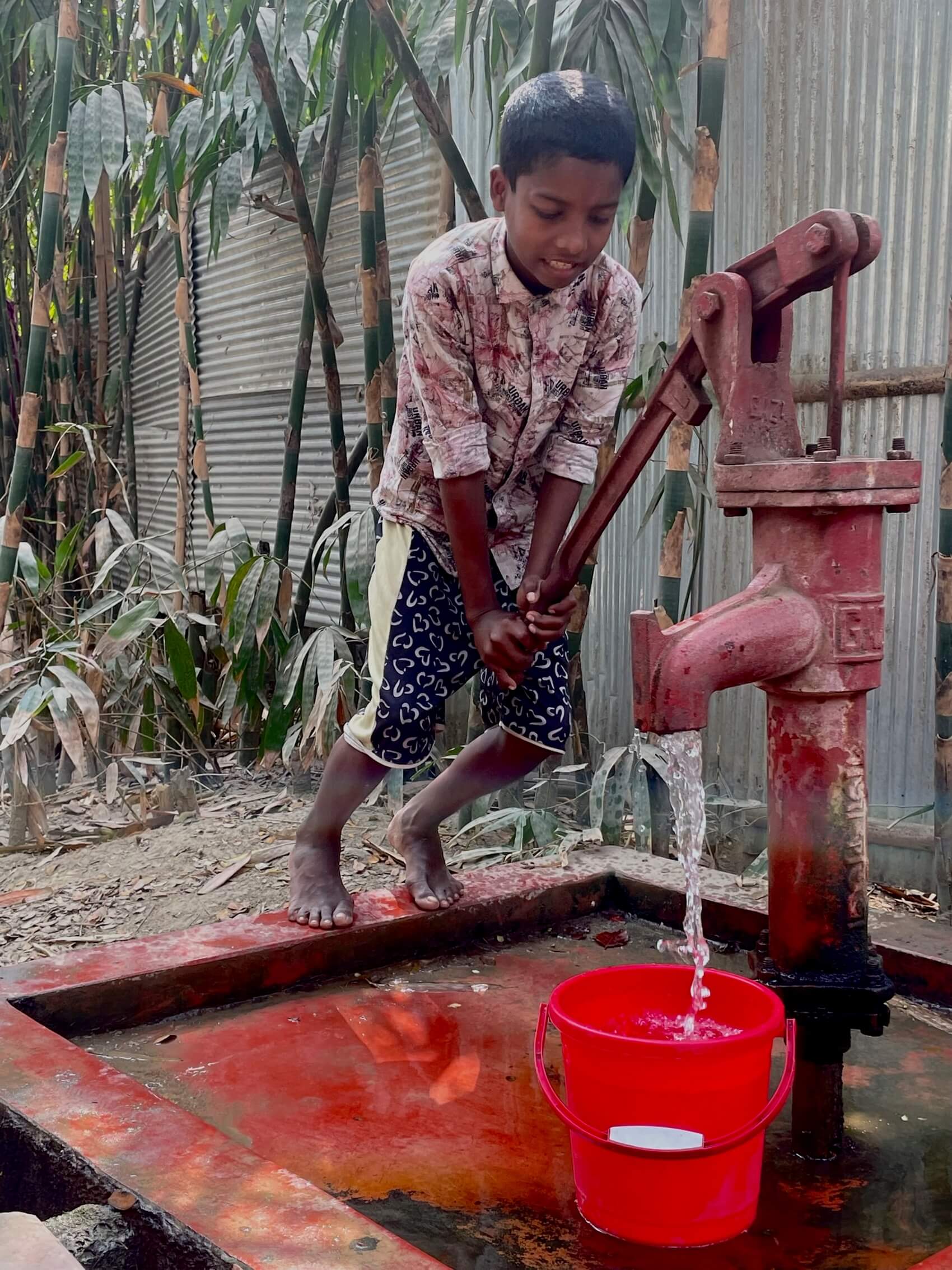
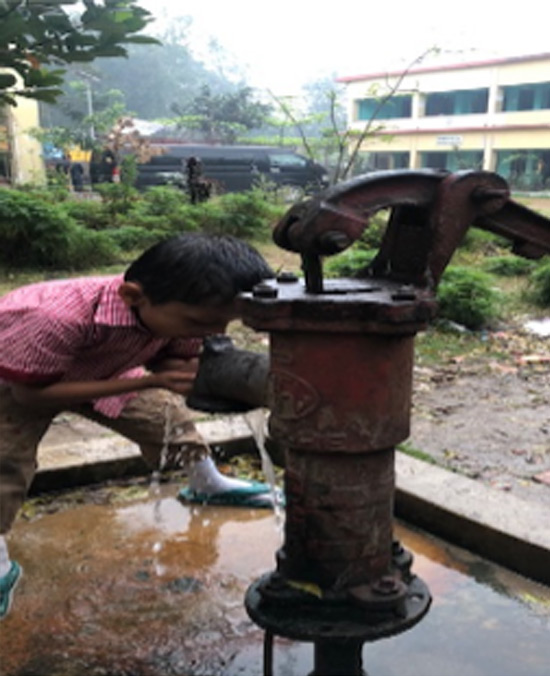
Bangladesh has one of the highest arsenic levels in groundwater in the world.

From its founding in 2005, Chemists Without Borders had a vision: to find a solution to the 40,000 Bangladeshis dying each year from illnesses caused by arsenic poisoning. In 2014, we started our project in Bangladesh and hired five interns to give presentations at high schools explaining the hazards of arsenic in drinking water. Later, we found funding to construct ring wells at two high schools whose wells were heavily contaminated with arsenic.

Currently, we are building a new drinking water and sanitation system at Terial High School in the Chittagong district of Bangladesh. A new well is being constructed to obtain water from the ground, which will be treated with an arsenic removal system to purify the water. Twenty drinking water and hand-washing stations are built to provide safe water to the students. The water will be sanitized with a UV disinfection system before it is supplied to the students for drinking and handwashing. This new arsenic remediation system was designed keeping in mind to solve the arsenic problem in the schools nationwide in Bangladesh.

Well-Water Testing Project

Bangladesh has one of the highest arsenic levels in groundwater in the world. The majority of Bangladeshi citizens use private wells to meet their water needs. Most wells are shallow, less than 300 feet in depth.

Chemists Without Borders recruits university and high school students to test the wells and educate the residents about arsenic and the possibility of sharing water from safe wells with families who take drinking water from contaminated wells.


Water-Sharing Project

Water-sharing is a unique program innovated by the Chemists Without Borders. This project is not just about water. It is about empowering young people to solve a health problem that has persisted for years. This program allows neighbors to share water from certified arsenic-free wells. Chemists Without Borders runs this program with the help of high school and college students. Students are trained in testing the well water using a field test kit. The results are shared with the well owners, and the owners are educated about the health risks of high arsenic in the water. Owners of the well with no arsenic or less than 50 ppb arsenic levels are encouraged to enroll in the water sharing program, where they can share the arsenic-safe well water with their neighbors at a nominal cost.

Community participation is at the core of this program. By involving the whole community, the water-sharing program allows for minimizing the risk of arsenic exposure to the population at the lowest cost. We intend to expand this program throughout Bangladesh and other countries where arsenic in water is a problem. The beauty of this model is that it is simple, yet effective; ambitious, yet realistic; extensive, yet cost-effective.